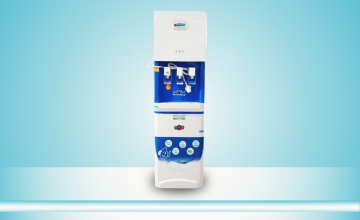
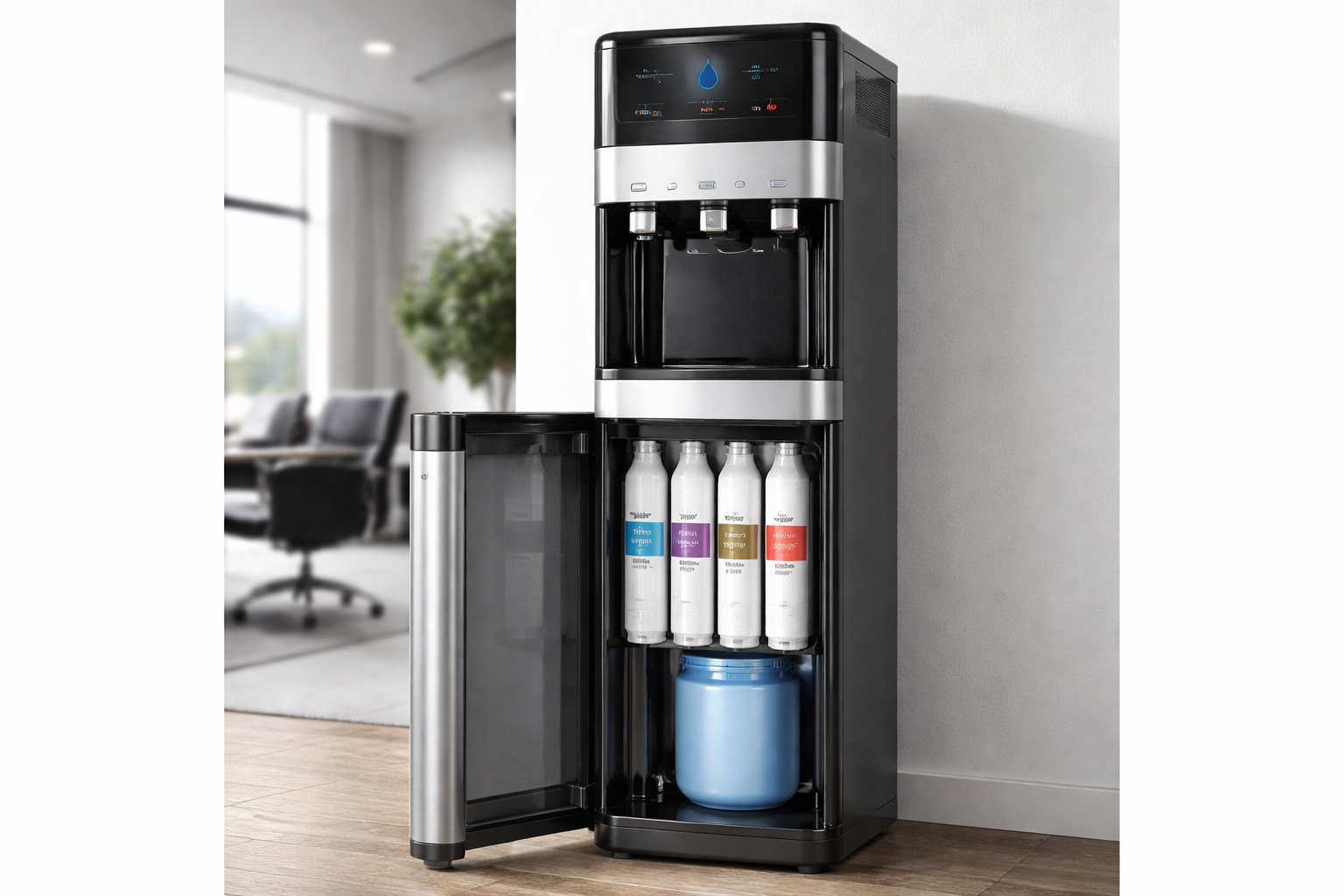
Water Dispenser with RO for Government Tenders: Specifications, Price & Buying Guide
Providing access to safe and treated drinking water is an important consideration in government offices, schools, hospitals, factories, corporate buildings, and other institutional facilities. Depending on the project, tender documents may specify requirements related to water purification, dispensing capacity, storage, hygiene, installation, maintenance, and after-sales support.
A Water Dispenser with RO combines reverse osmosis water purification with a convenient dispensing system. It can be designed for different capacities and applications, making it suitable for locations where multiple users need regular access to treated drinking water.
For contractors, suppliers, and institutional buyers, selecting an RO water dispenser is not simply about finding the lowest price. The proposed system should match the tender's technical specifications, expected water consumption, source-water quality, installation conditions, warranty requirements, and service expectations.
This guide explains the important factors to consider when selecting a Water Dispenser with RO for government and institutional tenders, including specifications, capacity, installation, maintenance, price factors, and supplier considerations.
What Is a Water Dispenser with RO?
A Water Dispenser with RO is a drinking water system that combines a reverse osmosis purification unit with a water dispensing mechanism.
The RO process can reduce dissolved salts and other contaminants from suitable feed water, while additional filtration stages can help improve the overall treatment process.
Depending on the model and application, an RO water dispenser may include:
- Sediment filtration
- Activated carbon filtration
- RO membrane
- High-pressure pump
- Storage tank
- Dispensing taps or outlets
- Electrical control system
- Optional hot and cold water functionality
These systems can be configured for offices, schools, hospitals, industrial facilities, public buildings, and other institutional applications.
Why Are RO Water Dispensers Considered for Government and Institutional Projects?
Government and institutional facilities often require a reliable drinking water arrangement for employees, students, patients, workers, visitors, or other users.
An installed RO water dispenser can provide several practical benefits:
- On-site water purification
- Convenient access to treated drinking water
- Reduced dependence on packaged water
- Different capacity options
- Planned maintenance
- Easy integration with suitable water sources
- Reduced packaging waste compared with regular bottled-water consumption
However, requirements vary from one tender to another. An RO water dispenser should be proposed only when it meets the specific technical and commercial requirements mentioned in the tender document.
What Should Be Included in a Water Dispenser with RO Tender Specification?
Tender specifications can differ based on the project and the expected number of users. Before submitting a quotation, suppliers should carefully review every technical requirement.
Important parameters may include:
1. RO Purification Capacity
Capacity is one of the most important specifications.
Depending on the application, an RO water dispenser may be available in capacities such as:
- 25 litres per hour
- 50 litres per hour
- Higher-capacity configurations
The required capacity should be determined according to:
- Number of users
- Daily water consumption
- Peak demand
- Operating hours
- Available storage capacity
- Tender specifications
Selecting a system with insufficient capacity may affect performance and project suitability.
2. RO Membrane
The RO membrane is a critical component of the purification system.
Depending on the design, specifications may mention:
- Membrane type
- Membrane capacity
- Number of membranes
- Operating pressure
- Expected permeate flow
The membrane should be selected according to the feed-water quality and required output.
3. Pre-Filtration System
Pre-treatment protects the RO membrane and helps improve system performance.
Common filtration stages may include:
- Sediment filter
- Activated carbon filter
- Other pre-treatment stages based on water quality
The actual filtration configuration should be determined after considering the characteristics of the incoming water.
4. Storage Tank
A storage tank can provide treated water for dispensing during periods of demand.
Tender documents may specify:
- Storage capacity
- Food-grade material
- Stainless steel construction
- Tank design
- Hygiene requirements
The storage capacity should be appropriate for the expected usage and system output.
5. Dispensing Configuration
The dispensing system should be convenient for the intended users.
Depending on the application, a system may include:
- Single outlet
- Multiple dispensing outlets
- Push-button dispensing
- Manual taps
- Hot water outlet
- Cold water outlet
The number and type of outlets should match the project requirements.
6. Electrical and Safety Requirements
The tender may also specify electrical requirements such as:
- Operating voltage
- Power consumption
- Control panel
- Pump protection
- Automatic operation
- Electrical safety features
Suppliers should match the tender specifications instead of submitting generic technical information.
How Does a Water Dispenser with RO Work?
The basic working process of an RO water dispenser can be explained through the following stages.
Step 1: Water Inlet
Feed water enters the system from a suitable source, such as municipal water, borewell water, or a storage tank.
Step 2: Pre-Filtration
The water passes through suitable pre-filters to reduce suspended particles and other substances that may affect the downstream purification stages.
Step 3: RO Purification
A high-pressure pump sends water through the RO membrane. The membrane helps separate dissolved salts and other contaminants from the treated water.
Step 4: Water Storage
Depending on the system design, treated water is stored in a dedicated tank.
Step 5: Water Dispensing
The purified water is delivered through the dispensing outlets for users.
The exact treatment process and components can vary according to the water source, product configuration, and project requirements.
Water Dispenser with RO vs Normal Water Dispenser
A normal water dispenser primarily provides a convenient method of dispensing water and may provide cooling or heating depending on the model. It does not necessarily include an RO purification system.
A Water Dispenser with RO combines purification and dispensing in one system.
| Feature | Normal Water Dispenser | Water Dispenser with RO |
|---|---|---|
| RO purification | Usually not included | Included |
| Water treatment | Depends on model | RO + filtration |
| Dispensing | Yes | Yes |
| Capacity options | Available | Available |
| Filter maintenance | Depends on model | Required |
| Suitable for treated source water | Yes | Yes, depending on system design |
The right option depends on the incoming water quality and the project's requirements.
Water Dispenser with RO vs Packaged Drinking Water
For institutions that require drinking water every day, an installed purification and dispensing system can provide an alternative to repeated packaged-water procurement.
Packaged Drinking Water
Potential challenges can include:
- Recurring purchasing costs
- Transportation requirements
- Storage requirements
- Supply coordination
- Packaging waste
RO Water Dispenser
Potential advantages include:
- On-site purification
- Convenient water dispensing
- Reduced dependence on packaged water
- Planned filter and membrane maintenance
- Long-term operational convenience
The best option depends on factors such as water quality, consumption, infrastructure, budget, and project requirements.
Types of Water Dispensers with RO for Institutional Applications
Different projects may require different configurations.
Floor-Standing Water Dispenser with RO
Floor-standing models can be suitable for offices, factories, schools, and other facilities where adequate floor space is available.
Wall-Mounted Water Dispenser with RO
Wall-mounted systems can help save floor space and may be useful in locations where installation space is limited.
Hot and Cold Water Dispenser with RO
These systems combine water purification with hot and cold dispensing and can be suitable for selected office, corporate, and institutional applications.
High-Capacity RO Water Dispenser
Facilities with a large number of users may require higher-capacity systems to meet peak drinking water demand.
How to Select the Right Water Dispenser with RO for a Tender
Choosing the right system requires more than comparing the water dispenser with RO price.
Consider the following factors before submitting a quotation.
Check the Water Source
Determine whether the source is:
- Borewell water
- Municipal water
- Storage tank water
- Another approved source
A water-quality test can help determine the appropriate purification configuration.
Calculate User Requirements
Consider how many people will use the system and how frequently they will require drinking water.
A small office and a large industrial facility will have significantly different requirements.
Match the Required Capacity
Always compare the proposed system's output with the capacity specified in the tender.
Do not select a lower-capacity system simply because it has a lower purchase price.
Check Storage Requirements
Verify the required storage capacity, tank material, and construction specifications.
Review Installation Conditions
Before quoting, confirm:
- Water inlet availability
- Drain connection
- Electrical supply
- Installation space
- Plumbing requirements
- Drainage requirements
Consider After-Sales Support
For institutional projects, reliable service can be just as important as the initial installation.
Check whether the supplier can provide:
- Filter replacement
- Membrane servicing
- Preventive maintenance
- Breakdown support
- AMC services
Documents Commonly Required for Government Tender Participation
Product selection is only one part of tender participation. Depending on the tender authority, suppliers may need to provide technical and commercial documents.
These can include:
- Product technical specification
- Product catalogue
- Company profile
- Warranty details
- Installation information
- Compliance documents
- Previous project experience
- Commercial quotation
- Required registrations and certifications
The exact documentation varies by tender. Suppliers should always refer to the official tender document for eligibility and submission requirements.
Installation of Water Dispenser with RO in Tender Projects
A clear installation scope can help prevent confusion after the order is awarded.
Depending on the project, installation may include:
- Site inspection
- Equipment positioning
- Water inlet connection
- Drain connection
- Electrical connection
- System testing
- Trial operation
- Basic operator training
If civil work, additional plumbing, electrical work, transportation, or other activities are excluded from the quotation, suppliers should clearly mention them.
Maintenance and AMC for RO Water Dispensers
Regular maintenance is important for maintaining system performance and treated-water quality.
Typical maintenance activities may include:
- Sediment filter replacement
- Carbon filter replacement
- RO membrane inspection
- Pump inspection
- Leakage checking
- Storage tank cleaning
- Dispensing tap inspection
- Electrical system inspection
After the warranty period, institutions may also consider an Annual Maintenance Contract (AMC) for preventive and breakdown maintenance.
For suppliers, a clearly defined AMC package can provide ongoing service support and help build long-term customer relationships.
Water Dispenser with RO Price: What Determines the Cost?
There is no single fixed water dispenser with RO price because the cost depends on the system configuration and project requirements.
Important price factors include:
- RO capacity
- Storage tank capacity
- Number of dispensing outlets
- Construction material
- Filtration stages
- Pump specifications
- Electrical components
- Hot and cold functionality
- Installation requirements
- Quantity ordered
- Warranty
- Service and AMC requirements
For tender projects, buyers should evaluate the overall value of the proposed system rather than comparing only the initial equipment price.
Common Mistakes to Avoid When Quoting an RO Water Dispenser Tender
1. Not Reading the Complete Tender
Missing a technical or commercial requirement can affect tender eligibility.
2. Selecting the Wrong Capacity
The system should meet both the tender specification and expected user demand.
3. Ignoring Feed-Water Quality
RO systems should be designed according to the characteristics of the source water.
4. Leaving Installation Terms Unclear
The quotation should clearly explain what is included in installation and commissioning.
5. Focusing Only on the Lowest Price
A low quotation does not automatically mean the best solution. Quality, service, warranty, operating cost, and technical compliance should also be considered.
6. Providing Generic Specifications
Tender submissions should be specific and directly mapped to the requirements mentioned in the tender document.
Where Can Water Dispensers with RO Be Used?
RO-based drinking water systems can be considered for many institutional applications, including:
- Government offices
- Schools
- Colleges
- Hospitals
- Health centres
- Factories
- Industrial units
- Corporate offices
- Warehouses
- Training centres
- Public facilities
- Community buildings
The required model and capacity should always be selected according to the site's water demand and tender specifications.
Water Dispenser with RO Tender Buying Checklist
Before finalizing a system or submitting a quotation, suppliers and buyers can review the following checklist:
-
Check the required RO capacity
-
Identify the water source
-
Review feed-water quality
-
Check RO membrane specifications
-
Verify pre-filtration requirements
-
Check storage tank capacity
-
Confirm dispensing configuration
-
Review electrical requirements
-
Define installation scope
-
Check warranty requirements
-
Review AMC requirements
-
Prepare technical documents
-
Check delivery schedule
-
Review commercial terms
-
Confirm after-sales service availability
Frequently Asked Questions About Water Dispenser with RO
What is a Water Dispenser with RO?
A Water Dispenser with RO is a drinking water system that combines reverse osmosis purification with a dispensing unit. It can be configured with filtration, storage, pumping, and dispensing components according to the application.
What capacity of RO water dispenser is suitable for a government tender?
The appropriate capacity depends on the tender specification, number of users, expected consumption, operating hours, and water storage requirements. Common configurations may include 25 LPH, 50 LPH, and higher capacities.
How much does a Water Dispenser with RO cost?
The price depends on capacity, storage, filtration configuration, construction material, dispensing options, installation, quantity, warranty, and service requirements. A project-specific quotation is usually required for an accurate price.
Is an RO water dispenser suitable for schools and hospitals?
It can be suitable for schools, hospitals, offices, factories, and other institutions when the system is correctly selected for the water source, consumption requirements, and applicable project specifications.
Does a Water Dispenser with RO require regular maintenance?
Yes. Filters, membranes, pumps, tanks, dispensing components, and other parts may require periodic inspection or replacement depending on usage and water quality.
What should I check before purchasing an RO water dispenser for a tender?
Check the required capacity, water source, treatment stages, membrane specifications, storage capacity, dispensing configuration, installation requirements, warranty, documentation, and after-sales service conditions.
Final Thoughts
A Water Dispenser with RO can be a practical drinking water solution for government offices, schools, hospitals, factories, corporate facilities, and other institutional applications. The right system should be selected based on the tender specifications, water quality, number of users, required capacity, installation conditions, maintenance requirements, and budget.
For suppliers and contractors, successful tender participation involves more than offering a competitive water dispenser with RO price. Accurate technical compliance, complete documentation, clear installation terms, suitable system capacity, warranty support, and reliable after-sales service can help create a stronger proposal.
If you are looking for a Water Dispenser with RO for a government, institutional, school, hospital, industrial, or corporate project, explore AquaSoft RO's available solutions and contact the team for product specifications, pricing, installation requirements, and project-specific assistance.