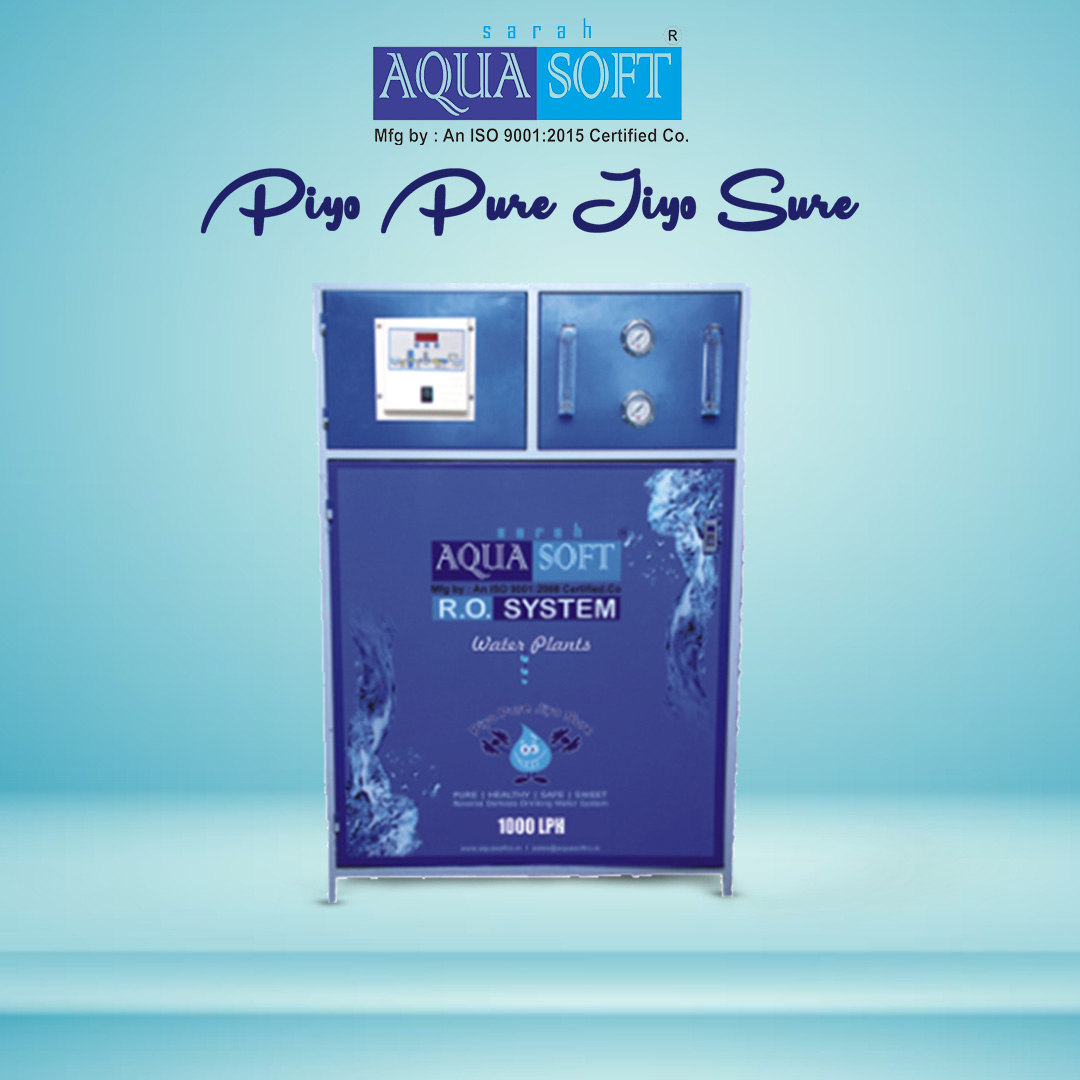
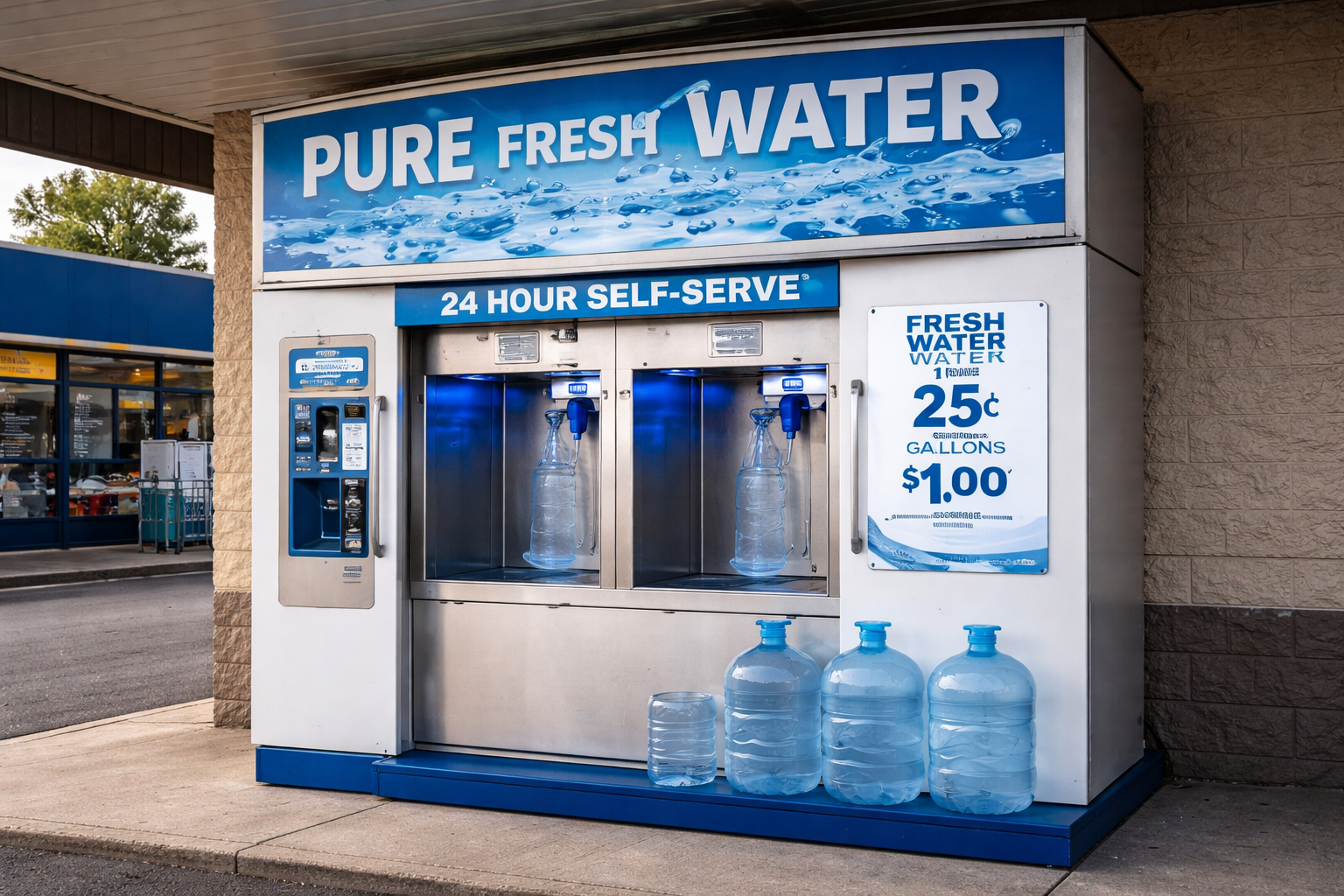
Water Vending Machine Business | Start RO Water Industry
Factor: Clean Drinking Water Is a Daily Need
Clean drinking water is not a luxury. It is a basic need for every person, every day. In many parts of India, tap water is not safe to drink, and bottled water is costly and creates plastic waste. This situation has created a strong opportunity for the water vending machine business.
A water vending machine provides RO-purified drinking water at a very low price. At the same time, it allows business owners to earn steady income with limited risk. This blog explains everything you need to know to start your own RO water vending machine business, even if you are new to the RO industry.
Who This Blog Is For
This blog is written for:
- People planning to start a business in the RO industry
- First-time entrepreneurs looking for a stable income source
- RO water purifier dealers wanting to expand their business
- Small investors interested in low-risk opportunities
- NGOs, trusts, and institutions working on clean water access
If you want a business that runs daily and serves a real need, this blog is for you.
Featured Snippet: How to Start a Water Vending Machine Business
A water vending machine business can be started by installing an RO-based water vending system at a location with regular demand for drinking water. With proper water supply, electricity, routine maintenance, and the right location, this business can generate steady monthly income and long-term growth.
What Is a Water Vending Machine Business
A water vending machine is an automated system that dispenses purified drinking water when a user pays a small amount. Payment can be done using coins, cards, or QR codes. Customers bring their own containers and collect water as per their requirement.
This business works on a pay-per-liter model. Because water is required daily, usage remains consistent. Once installed, the machine runs automatically and needs very little manpower.
Why the RO Water Industry Is Growing
The RO water industry is growing fast because:
- Groundwater quality is getting worse
- Borewell water has high TDS in many areas
- Municipal water is not always safe to drink
- People are more aware of health and hygiene
Because of this, demand for RO water vending machines is increasing in cities, towns, and villages. This makes it a long-term and future-safe business.
How the Water Vending Machine Business Works
The business process is simple:
- Raw water comes from borewell or municipal supply
- Water passes through RO filtration and UV treatment
- Purified water is stored in a hygienic tank
- Customer pays and collects water
You earn money on every liter sold. Since there is daily demand, income is regular.
Real-Life Use Case Example
In many residential areas, families spend ₹20–₹30 daily on bottled water. A nearby water vending machine provides the same RO water for just a few rupees. Slowly, people start depending on the machine every day. This creates regular income for the owner and saves money for the users.
Step 1: Choosing the Right Location
Location is the most important factor in this business.
Good locations include:
- Railway stations and bus stands
- Hospitals and clinics
- Apartment societies
- Industrial areas
- Villages with poor water quality
A place with regular footfall and limited access to cheap RO water gives the best results.
Step 2: Selecting the Right RO Water Vending Machine
While choosing a machine, check:
- Purification capacity (LPH)
- Raw water TDS level
- Payment system (coin, card, QR)
- Storage tank quality
- Ease of maintenance
For most areas, an RO water vending machine with UV is the best option.
Types of Water Vending Machines
Basic RO Water Vending Machine
- Low investment
- Simple operation
- Suitable for villages and small towns
Coin Operated Water ATM Machine
- Easy to use
- No digital payment dependency
- Ideal for public places
Smart Water ATM Machine
- QR and card payments
- Remote monitoring
- Best for cities and government projects
Water Vending Machine Price in India
The water vending machine price in India depends on capacity and features.
| Machine Type | Price Range |
|---|---|
| Basic RO Water Vending Machine | ₹80,000 – ₹1,50,000 |
| Coin Operated Water ATM | ₹1,50,000 – ₹2,50,000 |
| Smart Water ATM Machine | ₹2,50,000 – ₹5,00,000 |
Additional costs may include installation, civil work, and electrical setup.
Step 3: Water and Electricity Requirements
You need:
- Borewell or municipal water supply
- Stable electricity connection
- Proper drainage for waste water
Many operators also use inverter or solar backup to avoid downtime.
Step 4: Permissions and Basic Legal Requirements
Depending on your location, you may need:
- Local authority permission
- Water quality test report
- Basic business registration
- Location or landowner agreement
These steps help avoid future problems.
Daily Operation of Water Vending Machine
Daily work is minimal:
- Check water flow
- Clean the dispensing area
- Ensure the machine is working
The system mostly runs automatically.
Maintenance: Most Important Part of RO Business
Regular maintenance ensures water quality and machine life.
Maintenance includes:
- Filter replacement
- RO membrane check
- UV lamp inspection
- Water quality testing
Good maintenance builds customer trust and repeat usage.
Monthly Expenses
Monthly expenses are low:
- Electricity
- Filter replacement
- Minor servicing
This makes profit margins healthy.
Income, Profit, and ROI
Income depends on location and usage.
Average numbers:
- Water price: ₹0.25–₹0.50 per liter
- Daily sale: 800–2000 liters
- Monthly income: ₹15,000–₹50,000+
Most operators recover investment within 12–18 months.
Water Vending Machine vs Bottled Water Business
| Point | Water Vending Machine | Bottled Water |
|---|---|---|
| Investment | Medium | High |
| Plastic Waste | Very Low | Very High |
| Storage | Minimal | Large space |
| Daily Demand | Very High | Medium |
| Sustainability | High | Low |
Is This Business Risk-Free?
No business is completely risk-free. This business depends on:
- Right location
- Regular maintenance
- Consistent water quality
However, because water is a daily need, risk is lower compared to many other businesses.
How to Build Customer Trust
You can build trust by:
- Displaying water test reports
- Keeping the area clean
- Ensuring regular supply
- Fixing issues quickly
Trust brings repeat customers.
Simple Marketing That Works
You do not need heavy advertising.
- Clear signboard
- Word-of-mouth
- Society and community tie-ups
Low price and clean water are your biggest marketing tools.
How to Grow Your RO Water Vending Business
After one successful machine, you can:
- Install more machines
- Enter nearby areas
- Partner with institutions
- Offer maintenance services
This helps build a long-term RO business.
Social and Environmental Benefits
This business:
- Reduces plastic bottle waste
- Provides affordable clean water
- Improves public health
People support businesses that help society.
Frequently Asked Questions
How much space is required?
Around 50–100 sq. ft. depending on capacity.
Can this work in villages?
Yes, many villages show high daily usage.
Is technical knowledge required?
No, training and support are provided.
How long does the machine last?
With proper maintenance, many years.
Final Thoughts
The water vending machine business is one of the easiest and most meaningful ways to enter the RO industry. It needs reasonable investment, has daily demand, and offers steady income. With the right setup and honest service, this business can grow long-term while helping people get clean drinking water.
Call to Action
If you are planning to start your water vending machine business and want proper guidance, machine selection, and support, contact us today. We will help you choose the right solution and start confidently.