Industrial RO Plant Setup for Business Owners
By Sarah Aqua Softro Team · Published
Clean Water Is the Foundation of a Profitable Industrial RO Business
The first and most important factor in starting any industrial water-related business is understanding water quality demand. Industries do not purchase water treatment systems only for compliance; they invest in them to protect machinery, ensure smooth production, and reduce long-term operational costs. This makes Industrial RO one of the most stable and growing business opportunities in the water treatment sector.
With rising industrialization, groundwater contamination, and strict quality regulations, the demand for industrial RO systems is increasing every year. Entrepreneurs who understand the technical side as well as the business potential of industrial RO can build a highly profitable and long-term business.
This guide explains what industrial RO is, how it works, and how you can start an industrial RO business successfully.
Featured Snippet
Industrial RO is a large-scale reverse osmosis water purification system used by industries to remove dissolved salts, chemicals, heavy metals, and microorganisms from water. It is widely used in manufacturing, pharmaceutical, food processing, textile, hospital, and hotel industries to ensure consistent and process-safe water quality.
Introduction to Industrial RO Business Opportunity
Industrial RO systems are no longer limited to large factories or multinational companies. Small and medium industries, hospitals, hotels, and commercial units now require dedicated water treatment solutions. This shift has opened massive opportunities for dealers, manufacturers, installers, and service providers in the industrial RO segment.
Starting an industrial RO business can involve:
-
Manufacturing industrial RO plants
-
Supplying and installing RO systems
-
Operating industrial RO water plants
-
Providing AMC and maintenance services
The key to success lies in understanding both technical knowledge and customer needs.
What Is Industrial RO?
Industrial RO is a water purification technology based on reverse osmosis. It removes impurities by forcing water through a semi-permeable membrane under high pressure. The membrane allows only clean water molecules to pass while rejecting dissolved salts, metals, chemicals, and bacteria.
An industrial RO system is specifically designed to:
-
Handle large water volumes
-
Operate continuously
-
Work with high TDS water
-
Deliver consistent output quality
For business owners, industrial RO is attractive because it offers customization, scalability, and recurring service revenue.
Why Industrial RO Is a High-Demand Business
Industries cannot compromise on water quality. Poor water leads to:
-
Boiler damage
-
Product rejection
-
Increased downtime
-
High maintenance costs
Industrial RO systems solve these problems, making them essential rather than optional.
Demand drivers include:
-
Increasing industrial units in Tier-2 and Tier-3 cities
-
Falling groundwater quality
-
Strict industrial water norms
-
Growth in pharmaceuticals and food industries
This ensures long-term and repeat business opportunities.
How an Industrial RO System Works
Understanding system working is essential before starting the business.
Raw Water Intake
Water is taken from borewell, river, tanker, or municipal supply.
Pre-Treatment Stage
This includes:
-
Pressure sand filter (removes dirt and turbidity)
-
Activated carbon filter (removes chlorine and odor)
-
Micron cartridge filter (protects membranes)
Pre-treatment quality directly affects membrane life.
High-Pressure Pump
The pump increases pressure so water can pass through RO membranes.
RO Membrane Filtration
RO membranes remove:
-
TDS
-
Heavy metals
-
Chemicals
-
Bacteria and viruses
Product and Reject Water
-
Product water is used by industry
-
Reject water is discharged or reused
Main Components of an Industrial RO Plant
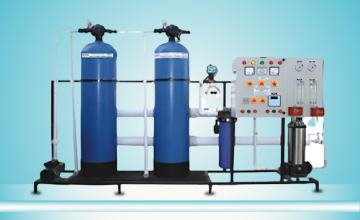
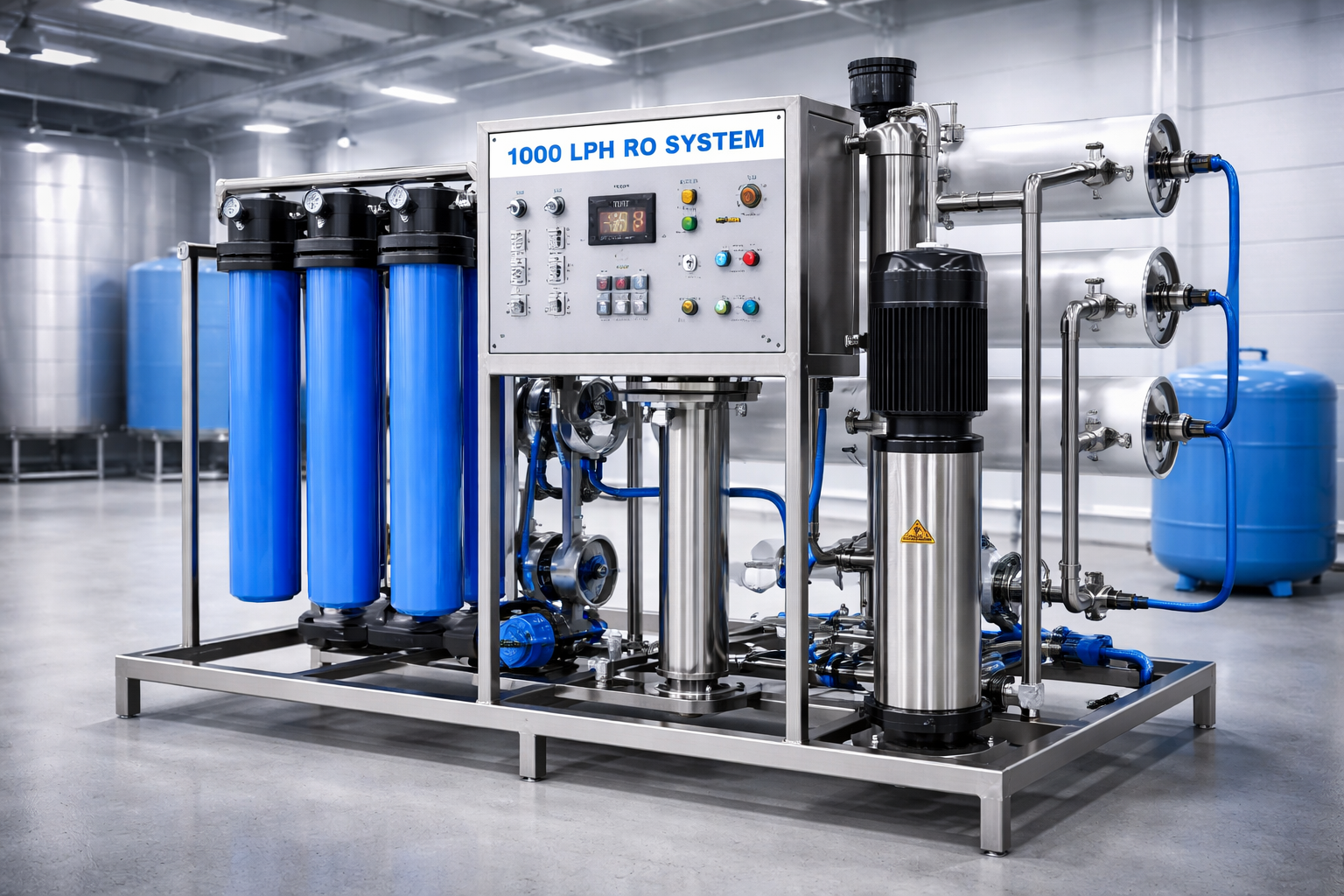
For anyone planning to start an industrial RO business, component knowledge is critical.
Key components include:
-
Raw water pump
-
Sand filter vessel
-
Carbon filter vessel
-
Micron filter housing
-
High-pressure pump
-
RO membranes
-
Pressure vessels
-
Electrical control panel
-
Flow meters and pressure gauges
Each component impacts pricing, performance, and maintenance cost.
Types of Industrial RO Systems You Can Offer
Single Pass Industrial RO
Best for general industries with moderate water purity needs. Lower cost and easy maintenance.
Double Pass Industrial RO
Used where ultra-low TDS water is required, such as pharmaceuticals and labs.
Brackish Water RO System
Designed for high-TDS borewell water. Very common in inland industrial zones.
Seawater RO System
High-pressure systems for coastal industries. Higher investment but premium pricing.
Offering multiple types allows you to target different customer segments.
Industrial RO Capacity Planning for Business
Common capacities in demand:
-
500 LPH
-
1000 LPH
-
2000 LPH
-
5000 LPH
-
10,000 LPH+
Capacity selection depends on:
-
Customer’s daily water usage
-
Industry process requirements
-
Operating hours
-
Raw water quality
Correct capacity recommendation builds trust and reduces future complaints.
Industries That Need Industrial RO Systems
Industrial RO business has wide application across sectors.
Manufacturing Units
Process water, cooling towers, boilers.
Pharmaceutical Companies
Purified water for formulation and cleaning.
Food and Beverage Industry
Ingredient water and beverage production.
Textile Industry
Dyeing, washing, and finishing processes.
Hospitals and Dialysis Centers
Medical-grade water requirements.
Hotels and Resorts
Kitchen, laundry, and guest water usage.
These industries ensure continuous demand and AMC revenue.
Benefits You Can Sell to Customers
When selling industrial RO systems, focus on benefits rather than just specifications.
Key selling points:
-
Consistent water quality
-
Reduced equipment failure
-
Better product quality
-
Lower long-term cost
-
Regulatory compliance
Industries buy solutions, not machines.
Industrial RO vs Commercial RO: Business Perspective
Industrial RO systems:
-
Higher profit margins
-
Custom design
-
Long-term service contracts
-
Repeat filter and membrane sales
Commercial RO systems:
-
Lower margins
-
One-time sales
-
Limited customization
For entrepreneurs, industrial RO offers better scalability and stability.
Importance of Raw Water Testing Before Sale
Water testing is not optional—it is a business necessity.
Testing helps you:
-
Design correct system
-
Avoid membrane failure
-
Set realistic expectations
-
Build professional credibility
Skipping water analysis can damage your brand and increase complaints.
Installation Process and Project Execution
A professional installation process includes:
-
Site visit
-
Water testing
-
Design finalization
-
Mechanical installation
-
Electrical wiring
-
Trial run and training
Smooth execution increases referrals and repeat orders.
Cost Structure of Industrial RO Business
Initial Investment Includes:
-
Manufacturing setup or supplier tie-up
-
Tools and testing equipment
-
Inventory of filters and membranes
Revenue Sources:
-
RO system sales
-
Installation charges
-
AMC contracts
-
Spare parts sales
-
Membrane replacement
This creates multiple income streams.
Operating and Maintenance Business Opportunity
Maintenance is where long-term profit lies.
Services include:
-
Filter replacement
-
Membrane cleaning
-
System troubleshooting
-
Annual maintenance contracts
Most industrial clients prefer reliable service providers over cheap suppliers.
Common Problems and How Business Owners Can Solve Them
Common issues:
-
Membrane fouling
-
High reject water
-
Pressure fluctuations
-
Scaling
Providing quick technical solutions builds long-term customer relationships.
How to Choose the Right Industrial RO Supplier or Manufacturer
If you are not manufacturing:
-
Choose reliable component brands
-
Ensure spare part availability
-
Check technical support
Supplier quality directly affects your business reputation.
Legal and Compliance Considerations
Depending on scale:
-
GST registration
-
Trade license
-
Pollution norms
-
Water discharge guidelines
Understanding compliance protects your business from future issues.
Marketing Strategies for Industrial RO Business
Effective methods include:
-
Local SEO and Google Business profile
-
Direct industry visits
-
Reference-based selling
-
Service quality branding
Industrial RO business grows mainly through trust and referrals.
Future Scope of Industrial RO Business
Future growth drivers:
-
Water scarcity
-
Industrial expansion
-
Zero liquid discharge systems
-
Water reuse technologies
Industrial RO will remain a core technology in water treatment.
Conclusion
Starting an industrial RO business is a smart and sustainable opportunity for entrepreneurs looking for long-term growth. With proper technical knowledge, correct system design, and reliable service support, industrial RO systems can generate consistent revenue and strong market reputation.
An industrial RO system is not just equipment—it is a business solution that industries depend on every day. By focusing on quality, service, and customer understanding, you can build a profitable and respected industrial RO business.